

Credit, Collections & Insolvency News

Insolvency-related activity rose across several key sectors in the third quarter of 2026, highlighting uneven pressure on businesses, according to R3’s latest quarterly Business Health report. This is despite overall levels of distress remaining largely stable.
The report, based on Creditsafe data, found there were 6,939 insolvency-related activities in Q3 2026, including administrations and voluntary and compulsory liquidations, similar to the previous quarter’s total of 6,854 and Q3 2025 (6,912).
However, sectors such as wholesale and retail, professional services, real estate and education saw significant increases in insolvency activity. Wholesale and retail rose from 885 cases in Q2 to 953 in Q3, an 8% increase, making it the second most distressed sector behind construction.
Real estate insolvency activity increased by 7% quarter-on-quarter from 435 to 467 and by 29% compared with the same period last year (363) while professional services rose to 623, up 6% quarter-on-quarter and 4% year-on-year. These sectors have been affected by rising costs and the ripple effects of the collapse of mortgage provider Market Financial Solutions.
Meanwhile, education sector activity increased by 25% on the previous quarter and 15% on Q3 2025, increasing to 99 cases from 79 last quarter.
R3 President and Partner at Knights, Sonia Jordan, said “R3’s latest Business Health report suggests that while overall levels of business distress are stabilising, pressures are becoming more pronounced in certain sectors.
“It has been a particularly difficult quarter for the retail sector demonstrated by well-known retailers like TG Jones and Poundland closing stores after falling into financial difficulty. Consumer spending remains cautious, operating costs are high and many businesses are still adjusting to higher employment costs.
“The prolonged summer heatwave is also likely to have created trading challenges for some high street retailers, with fewer people visiting physical shops. While any impact on insolvency activity may not be seen immediately, it adds to the pressures already facing these businesses.
“We are also seeing signs of pressure in the professional services and real estate sectors, in part due to the ripple effect that the failure of mortgage provider Market Financial Solutions has had on the wider financial and professional services network and supply chains.
“While education has not traditionally been among the sectors most associated with financial distress, the increase in insolvency-related activity suggests some institutions are facing increased demographic and financial pressures.”
The report found that construction remained the sector with the highest level of insolvency-related activity, with 1,133 cases in Q3. Wholesale and retail overtook accommodation and food services to become the second most distressed sector last quarter recording 953 insolvency-related activities compared to 932 in accommodation and food services.
The report revealed there were more than 18 million overdue invoices recorded across UK businesses in Q3, an increase of 8% on the same period last year when there were 16.9 million.
Jordan concluded “Cashflow remains one of the most significant challenges facing businesses. Late payment continues to have a real impact on directors’ ability to invest, grow and meet their financial commitments.
“If directors are concerned about their business’s finances, the earlier they seek professional advice, the more options available. Taking advice early from an expert R3 member can often make the difference between recovery and formal insolvency.”

Latest data from Allianz Trade shows that business insolvencies are putting 213,000 UK jobs at risk. The company is forecasting that business insolvencies will rise by +5% in 2026 and +1% in 2027 (+6% in 2025), marking five consecutive years of increases. Given the uncertain geopolitical and macroeconomic environment, the peak in insolvencies will be delayed…
Read more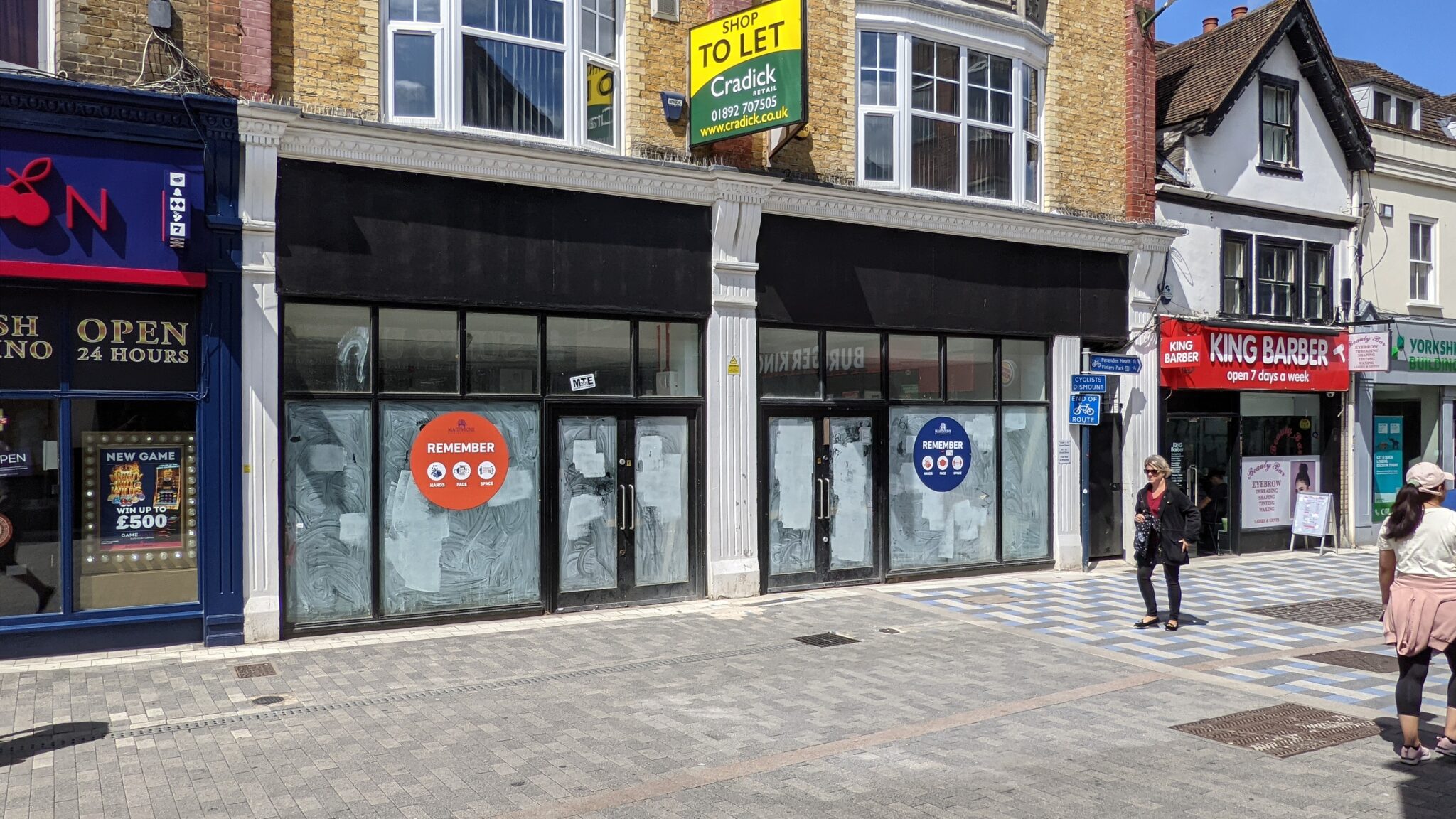
Latest data from the Insolvency Service has shown that personal and business insolvencies increased in Northern Ireland in September 2026 The data showed that here were 45 business insolvencies, 61% higher than in September 2025. The insolvencies comprised of 30 compulsory liquidations, 13 CVLs, one CVA and one administration. There were no receivership appointments. The…
Read more
By the end of 2026, approximately one pub a day will have closed, according to the latest figures from the British Beer and Pub Association (BBPA). The trade body estimates that around 360 pubs will permanently shut their doors by the end of the year. This would result in around 5,000 job losses, with over…
Read more
In September 2026, the following administration notices were issued and advertised in the London Gazette for the following companies: A & J SECTIONAL BUILDINGS LIMITED AIRBAND COMMUNITY INTERNET LIMITED ALEXANDERS DISCOUNT LTD ATLANTIC LODGE (HOUSING) LIMITED BARKER HOMES MAIDENHEAD LTD BBE INTERNATIONAL LIMITED BHGS LIMITED BLACK SALT SHEEN LIMITED BORN UGLY LIMITED BRAIER GROUP LTD…
Read more
In September 2026, Appointment of Liquidators (Creditors’ Voluntary Winding-Up) were issued and advertised in the London Gazette for the following companies: 081 PIZZERIA LIMITED 121 URBAN HOT YOGA LIMITED 1ST AURORA LIMITED 1ST CHOICE AUTOMOTIVE LIMITED 1ST CLASS DISPOSAL LTD 1ST RESPONSE BUILDING MAINTENANCE LTD 1ST RESPONSE SITE SERVICES LIMITED 21ST CENTURY OFFICE CONCEPTS LIMITED…
Read more