

Credit, Collections & Insolvency News

Latest figures from the Insolvency Service have shown that the number of business insolvencies in England and Wales increased by 4% when compared to December 2025to 1,744 in January 2026, but 14% lower than the same month in the previous year (2,028 in January 2025).
The insolvency data consisted of 256 compulsory liquidations, 1,323 creditors’ voluntary liquidations (CVLs), 151 administrations and 13 company voluntary arrangements (CVAs). There was one receivership appointment.
CVLs accounted for 76% of all company insolvencies. The number of CVLs increased by 1% from December 2025 and was 17% lower compared to the same month last year (January 2025). December 2025 and January 2026 saw the lowest monthly numbers of CVLs since July 2021.
The number of compulsory liquidations was 4% higher than in December 2025 and 12% lower than in January 2025. Compulsory liquidations in January 2026 were 15% lower than the 2025 monthly average. The number of administrations was 41% higher than in December 2025 and 14% higher than in January 2025.
The number of CVAs in January 2026 was 13% lower than in December 2025 and 7% lower than in January 2025. Numbers remain low compared to historical levels. CVAs are not seasonally adjusted due to low volumes.
Businesses in the wholesale, retail and hospitality sectors accounted for 30% of all insolvencies in the year to January 2026, with 7,081 companies affected. The figures underline mounting pressure on the UK high street, as subdued post-Christmas demand and persistent cost challenges weighed heavily at the start of the year.
Commenting on the data, Tom Russell, insolvency practitioner and director at James Cowper Kreston, and R3 President said “January is often a tough month financially for businesses and households alike, and today’s insolvency figures reflect the dismal, rain-soaked start to the year the UK has endured, with corporate insolvencies in England and Wales 4% higher at 1,744 in January 2026 when compared to December 2025 (1,683). However, there is a ray of sunshine with corporate insolvencies 14% lower than the same month in the previous year (2,028 in January 2025).
“Businesses across several sectors haven’t had the results from the ‘Golden Quarter’ boost they had hoped for. As a result, January has slightly become a tipping point, where high costs, disappointing sales and year-end financial pressures converge.
“Although the latest GDP figures show 0.1% growth for December and 1.3% growth for 2025, forecasts point to continued slow growth and subdued business confidence this year. Construction, meanwhile, recorded its worst performance in more than four years reinforcing the findings of R3’s Annual Business Health report which identified it as the most distressed sector in 2025.
“Small and medium size (SME) businesses are particularly exposed to cashflow pressures and late payments, with construction firms especially affected. A recent report by the Business and Trade Committee found SMEs are owed tens of billions of pounds in unpaid invoices, with nearly half of all invoices paid late. It also noted that late payments are responsible for the closure of 38 UK businesses every day, a trend reflected in today’s figures.”
Simon Edel, Financial Restructuring Partner at EY-Parthenon, said “The return to growth for company insolvencies and more than 40% month-on-month rise in administration activity in January are the latest signals of the impact of ongoing geopolitical turbulence on businesses and earnings.
“In the last year, we’ve seen firms shift their focus from planning for a return to previous norms, to recalibrating for a global landscape of lower growth, higher costs and rapid technological disruption. This has potentially sharpened their focus on strengthening liquidity to help ease debt pressures.
“Of course, further challenges lie ahead, as companies continue to contend with higher employment costs, subdued consumer confidence and market volatility. Since the 2008 global financial crisis, insolvency has played less of a role in large and complex restructurings. However, in this low growth, high cost environment, more stressed capital structures are likely to require fundamental action to reposition their underlying business, and we expect insolvency could become a necessary part of achieving this.”
Freddy Khalastchi, Restructuring & Insolvency Partner at Menzies said “Hospitality, retail and leisure businesses had hoped for a stronger start to the year, yet many continue to grapple with rising costs, subdued consumer spending and increasingly limited headroom within already thin operating margins.
“Hospitality, leisure, property and construction businesses tend to feel the strain most acutely at this time of year, as winter weather and shorter daylight hours dampen activity and delay projects. Retailers, meanwhile, are often forced into heavy discounting to clear unsold Christmas stock, as fragile demand and persistent cost inflation further erode profitability.
“The latest insolvency figures underline that these challenges extend well beyond a typical post-Christmas slowdown. Instead, they point to deeper pressures that continue to test the resilience of the UK’s consumer-facing sectors and require urgent policy attention.
“Aside from limited relief for pubs – many of which have already closed their doors in recent years – there has been little meaningful government support for other struggling sectors. With food, drink and raw material costs still rising, the full impact of the increase in Employer’s National Insurance now being felt. This, coupled with another uplift in the National Minimum Wage, due within months, means that preserving working capital has now become critical.
“For many businesses, survival will depend on holding their nerve until the spring, when expected interest rate cuts may help revive consumer spending and ease financial pressures. Those that act early and seek professional advice will retain the widest range of options – and the best chance of navigating what remains a highly challenging trading landscape.”
Louise Brittain, Joint Head of Restructuring and Insolvency at international accountancy and business advisory group Azets, said “Numbers for all three of the main corporate insolvency processes increased in January compared to December, but the largest monthly increase came in Administrations, which reached their highest level since June 2024.”
“Corporate insolvencies continue to be driven by a combination of director fatigue, economic and political issues and increased creditor aggression. Firms have been trading through tough times since the pandemic and many directors are running out of options, ideas and energy after five years of firefighting.
“At the same time, creditors are increasingly taking action to resolve unpaid debts – led by HMRC who appear to be taking a more robust attitude to those who owe tax money than they did during the pandemic and immediate aftermath, and private sector creditors are following their lead in an attempt to lighten their own cost pressures. Communication is key in scenarios like this – simply not paying bills or taxes and ignoring communication from people you owe money to isn’t constructive and will make a tough situation worse.
“More broadly, it’s a case of new year, same problems as rising costs – notably purchasing, staff and energy – continue to erode margins and shrink profits, while the uncertainty that characterises the national and global political and economic climate is making it harder to take strategic business decisions and secure funding for rescue or expansion.
“Consumers continue to watch their spending carefully and with basic lifestyle costs continuing to escalate, higher earners are now being more affected by cost-of-living issues, which will have consequences for another tier of businesses, as well as those who are already feeling the pinch of a financially cautious customer base.
“The Golden Quarter lost its shine for many businesses this year. While retail sales rose in January, the retail and hospitality industries didn’t have the December pre-Christmas boost many were hoping for, and this will have been a blow for firms in these industries right across the UK – one which many couldn’t recover from – as people stay in or spend online, and wage and employment costs rise throughout this sector.
“Looking at other areas of the economy, construction continues to struggle amidst project delays, shrinking margins and payment issues, while we’re hearing there are a number of overleveraged real estate companies who are becoming nervous as planning permission and project starts are postponed.
“While some industries are more prone to higher levels of insolvency, no business is safe from reduced demand or from financial distress. It’s highly likely there will be more pain to come for directors and an increasing demand for insolvency advice and support this year, and the firms that stand the best chance of survival are those whose management teams spot and act on the signs of financial distress as early as possible.
“If you’re seeing payment days lengthen, stock pile up, or are becoming concerned about paying staff or taxes, that’s the time to speak to an advisor. It’s a very hard conversation to have, but having it when your worries are starting to appear gives you a better chance of improving your situation, a better likelihood of turning around your business, and more potential solutions to the issues you’re facing than if you’d waited until the issues became more severe and the problem more serious.”

Creditors Voluntary Winding-Up – Appointment of Liquidators notices have been issued in the London Gazette for the following companies in January 2026: 08373021 LTD 100 WARDOUR LIMITED 10859267 LIMITED 1ST 4 LETTINGS LIMITED 2059 CHAPEL WALK WORCESTER (LEASECO) LIMITED 224 DIGITAL LTD 2GBC LTD 3 WAYS TRANSPORT LIMITED 3D EVENTS (PRODUCTION) LIMITED 3D PROTECTION LTD…
Read more
In January 2026, Winding Up Petitions (Companies) were issued and advertised in the London Gazette for the following companies: 00 INVESTMENTS LTD 1ST CHOICE SECURITY TRAINING LTD 231 VICTORIA LTD 3 D I (MIDLANDS) LIMITED 9092 CATERING CO LTD 99K LIMITED A CLASS CEILINGS AND PARTITIONS LTD A H RENTALS LTD A J BUILDING &…
Read more
UK businesses continued to face intense financial pressure throughout 2025, with 28,616 insolvency activities recorded, while start-ups declined, according to a new report from R3. While corporate insolvency-related activities – including administration and voluntary and compulsory liquidations- eased slightly compared with 2024, when there were 29,366 instances, they remain significantly above pre-pandemic norms, reflecting a…
Read more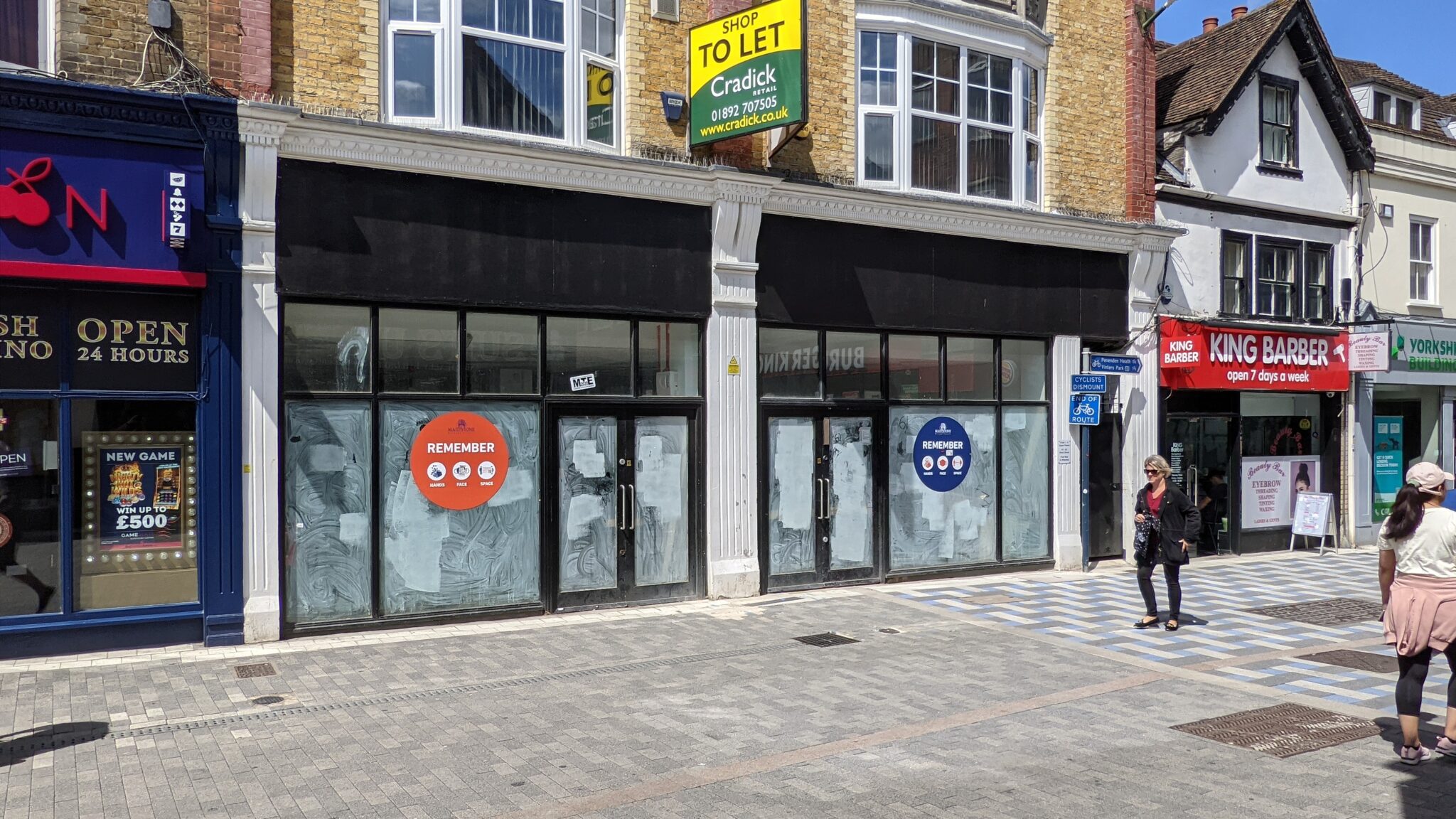
Latest data from the Insolvency Service for England & Wales has shown that business insolvencies increased by 0.2% in 2025 when compared to 2024, rising to 23,938 from 23,880 The 2025 insolvencies comprisied of 18,525 creditors’ voluntary liquidations (CVLs), 3,730 compulsory liquidations, 1,495 administrations, 186 company voluntary arrangements (CVAs) and two receivership appointments. In 2025,…
Read more
Latest figures from the Accountant in Bankruptcy (AiB) have shown that business insolvencies in Scotland fell in November 2025. The data showed there were 98 company insolvencies registered in Scotland, 14% lower than the number in November 2024. The business insolvencies comprised of 58 CVLs, 33 compulsory liquidations and seven administrations. There were no CVAs or receivership…
Read more