Credit, Collections & Insolvency News

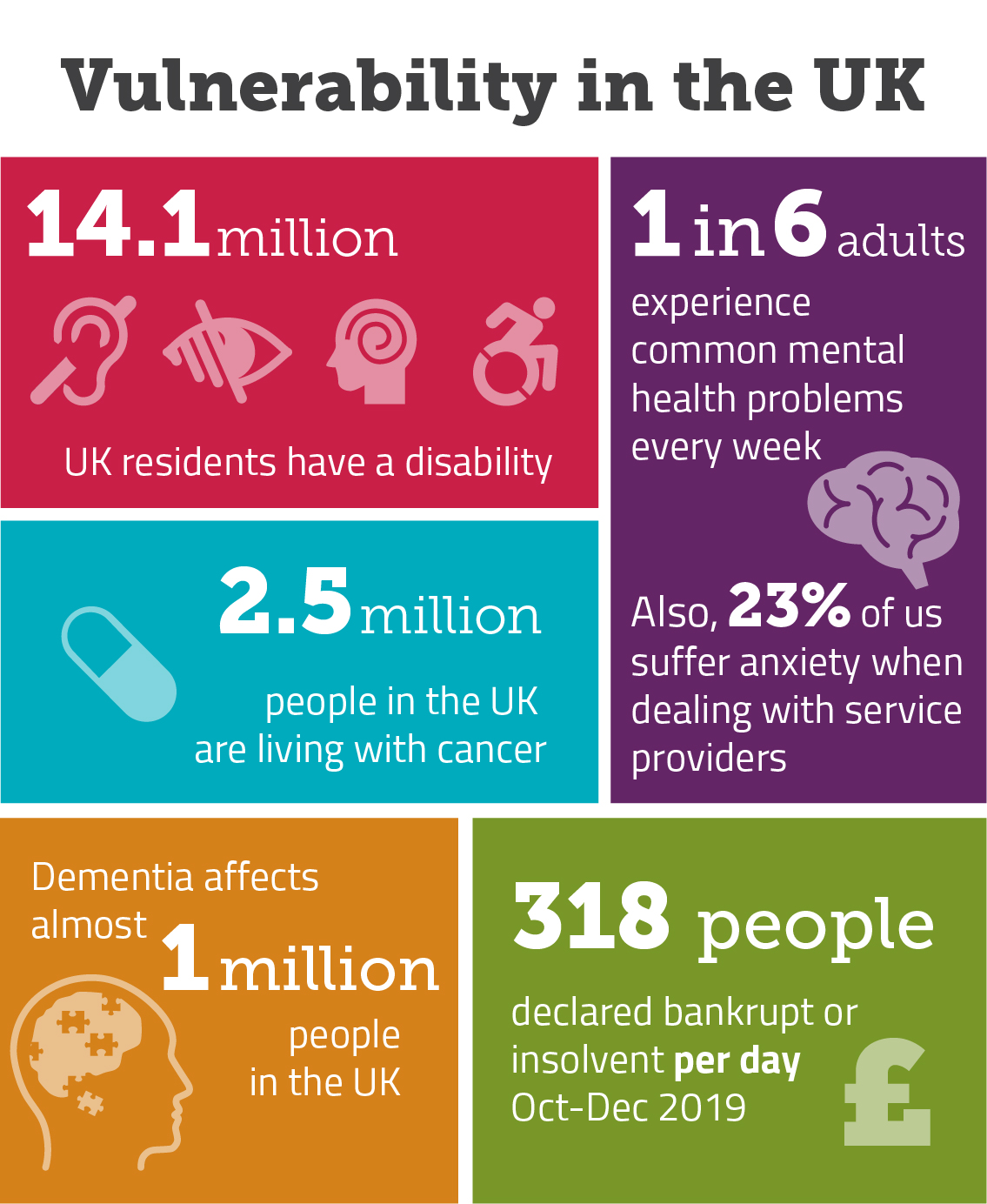
The regulator says that the coronavirus pandemic has increased the potential for customers’ circumstances to change suddenly and providers are already offering additional support to people who are struggling to pay their bills to help them to stay connected. But anybody can face circumstances that make them vulnerable – either temporarily or permanently. These might include physical or mental health problems, debt or unemployment, bereavement or becoming a victim of crime.
Ofcom’s says that its job is to make sure that, whatever a person’s vulnerability, communications providers offer a high level of customer care, and the services and support people need.
Ofcom says it now requires providers to have policies and procedures in place to make sure that vulnerable customers are fairly treated. Today we are setting out the practical measures that providers could adopt, in light of these rules.
Jane Rumble, Director of Consumer Policy at Ofcom said “We’re setting out industry best practice to help ensure vulnerable people are treated fairly and sympathetically by their phone, broadband and pay-TV providers.”
“This is especially important at a time when many customers may be worried about their physical and mental health, as well as their finances.”
The plans outlined by Ofcom include:
People who are behind on their bills:
Victims of crime:
Ofcom says that it will work with providers and review the guidance over time. The regulator will also monitor companies’ performance – including against our Fairness for Customers Commitments, which are designed to strengthen how companies treat their customers.
James Taylor, Executive Director of Strategy, Impact and Social Change at disability equality charity Scope, said “It’s great that Ofcom are taking action to hold service providers to account when it comes to providing a fair and equal service to disabled customers.Disabled people face hundreds of pounds of extra costs every month, and this often comes from everyday things like bills.”
“That’s why it’s essential that service providers are able to be flexible, and respond to disabled customers’ individual needs to make sure they’re getting a fair price and full access to services. Customers’ needs and situations can change over time, so it’s essential that service providers recognise and respond to this.”
Peter Tutton, Head of Policy, Research and Public Affairs at StepChange Debt Charity, said: “We are really pleased to see the recognition that customers in arrears will generally be vulnerable, and the regulatory expectation that firms will give them the support they need through breathing space, affordable repayment plans, social tariffs, or referrals to debt charities like us for more holistic debt advice.”
“Communications services are vital tools of modern life, without which many vulnerable people would simply be unable to access other support services. Maintaining access on an affordable basis can play a crucial part in helping people get back on their feet financially in a wider sense.”
Sandie Barton, Director of Operations at Rape Crisis Scotland, said “We have heard from many survivors of sexual violence who’ve experienced uncompassionate and unhelpful responses from mobile providers when their phones have been seized for investigation.”
“Ofcom’s moves to address this issue are welcome and in particular the focus on preventing re-traumatisation and providing practical assistance. In signing up to these guidelines, mobile providers could prevent the financial burden and bureaucratic inconvenience that too many survivors face and make a real difference. We’ll continue to seek feedback from survivors to help monitor the situation and advocate for accountability and improved practice across the board.”