Credit, Collections & Insolvency News

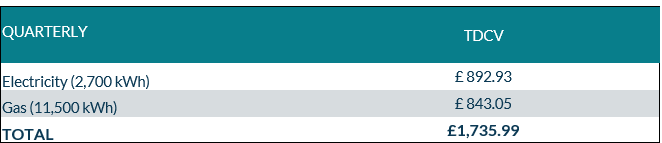
Cornwall Insight has announced its final forecast for the January – March Q1 2025 and as a result, households using a typical amount of gas and electricity will pay £1,736 a year from January.
The increase would be a £17 a year rise, or a 1% increase, compared with the current typical annual bill of £1,717, with prices forecast to stay high for the rest of winter.
Cornwall Insight says that given the price cap rise in October, many will have been hoping to see a fall in the cap for January. Unfortunately, forecasts show that prices will be staying relatively high for the remainder of winter.
The cap level is a reflection of a relatively volatile wholesale market, influenced by supply concerns tied to geopolitical tensions, maintenance on Norwegian gas infrastructure, weather disruptions, amongst other smaller factors. Despite prices stabilising in comparison to the past two years, the market remains very sensitive to global events. This is leaving prices substantially above historic averages.
Looking further ahead, we currently forecast the cap will drop slightly in April 2025 and again in October 2025.
Given that higher prices are likely the new normal, it is important that the government look at ways to protect the vulnerable from high energy bills. Whether this be through social tariffs, to bring energy in line with telecommunications, changes to the benefit system, or review of the price cap mechanism. Ofgem is currently undergoing a comprehensive review of the price cap with potential changes to elements such as the standing charge expected over the coming year.
Recent policy initiatives show the government is recognising that the lasting solution to high energy bills lies in reducing reliance on the international wholesale market by transitioning to UK-produced renewables. While there will be upfront costs, this shift is essential to building a sustainable and secure energy system for the future. We hope to see increasing progress on the renewables transition over the next few years.
Dr Craig Lowrey, Principal Consultant at Cornwall Insight said “Our final price cap forecast for January indicates, as expected, bills will remain largely unchanged from October. Supply concerns have kept the market as volatile as earlier in the year, and additional charges have remained relatively stable, so prices have stayed flat. While we may have seen this coming, the news that prices will not drop from the rises in the Autumn will still be disappointing to many as we move into the colder months.
“Fuel poverty has occupied political agendas for years, with little long-term progress. This winter, millions of households say they will not heat their homes to recommended temperatures, risking serious health consequences. With it being widely accepted that high prices are here to stay, we need to see action. Options like social tariffs, adjustments to price caps, benefit restructuring, or other targeted support for vulnerable households must be seriously considered.
“Long-term, our transition away from the volatile global wholesale market toward sustainable, home-produced renewables can help to secure our energy future. Although the transition does require upfront investment, it promises lower bills down the line. The government needs to keep momentum on the transition while acknowledging that immediate support is essential for those struggling now. Inaction is a choice to leave people in the cold.”
Cornwall Insight’s Default Tariff Cap forecast using new Typical Domestic Consumption Values (dual fuel, direct debit customer)